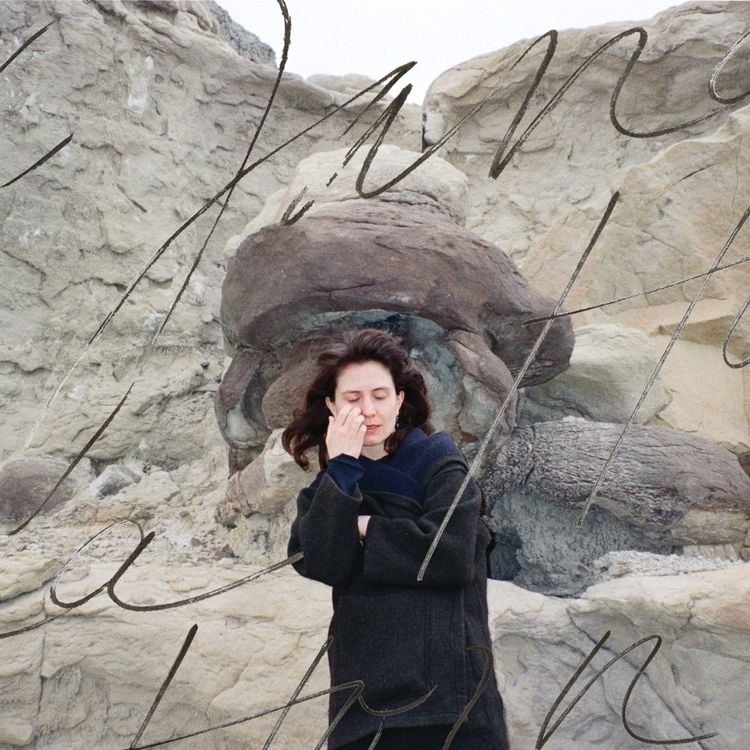
Album by Jana Horn
This album sits somewhere between lo-fi folk, minimalism, and something slightly abstract, but it never feels cold or distant.
At times it reminded me of Sebadoh mixed with Suzanne Vega—intimate, understated songs that feel carefully constructed even when they sound loose or improvised. The arrangements are sparse, but small touches like woodwinds, gentle percussion, and subtle shifts in instrumentation keep everything feeling warm and lived-in rather than empty.
There’s a remarkable sense of restraint throughout the record. Nothing feels overplayed or overly dramatic. Horn never reaches for the biggest emotional moment when a quieter one will do. Even the smallest musical flourishes feel intentional, giving the album an intimacy that’s easy to overlook until you realize how completely it’s drawn you in.
Many of the songs seem to explore resilience, reflection, and learning to move through difficult emotional spaces. They often sound mournful, but never hopeless. Instead of offering dramatic breakthroughs, they find comfort in simply continuing forward.
“All In Bet” was an immediate highlight, quietly carrying an optimism beneath its delicate arrangement that keeps the song from drifting into melancholy. It reminded me of Fiona Apple at her most subtle and emotionally affecting.
“Come On” strips everything back even further, becoming one of the album’s most emotionally exposed moments. Then “Love” briefly changes the album’s pulse. Its gentle hi-hat groove gives the song a subtle momentum, while the lyric, “It is always there, like the moon in the middle of the day,” beautifully captures the idea that love can remain present even when it isn’t immediately visible.
“It’s Alright” became another favorite. Rather than treating grief as something that gradually disappears, the song understands that missing someone comes in waves. Some days feel manageable. Other days the absence quietly returns without warning.
The entire album unfolds at a slow, deliberate pace. At times it almost feels less like listening to a traditional folk record and more like attending an intimate poetry reading with gentle musical accompaniment. That won’t connect with everyone, but if you’re willing to settle into its rhythm, the record gradually reveals its emotional depth.
When music is this understated, every small decision matters. A single woodwind melody, a slight rhythmic shift, or a quietly delivered lyric can carry the weight that another artist might try to achieve with a full orchestral crescendo.
That’s what stayed with me most. Jana Horn never asks these songs to be louder than they need to be. She trusts that if you’re willing to meet them on their own terms, they’ll say everything they need to say. And by the end, I found that quiet confidence every bit as powerful as the biggest emotional climax another album might deliver.
Verdict: Good
Explore more from Jana Horn

 Everything (not really)
Leave a comment