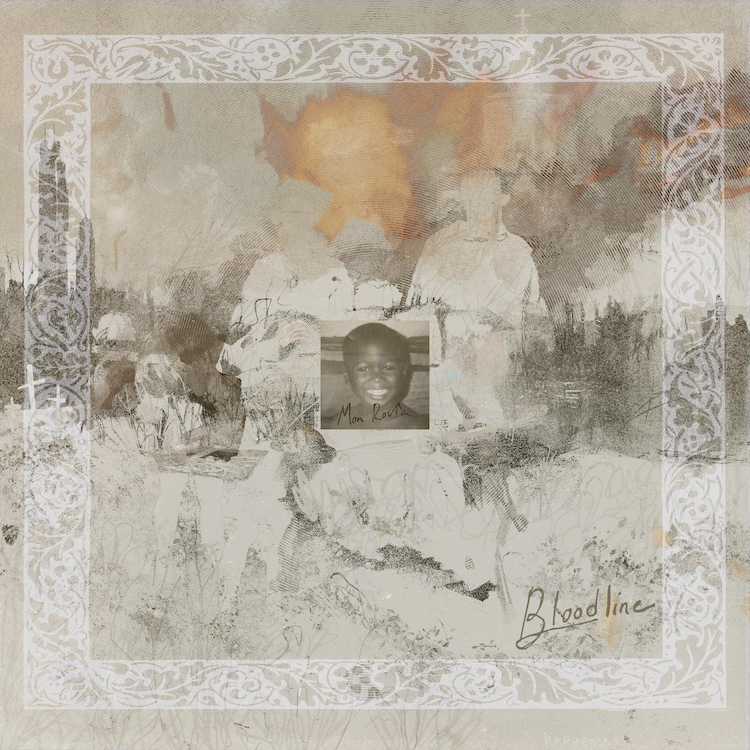
Album by Mon Rovia
This was one of those albums where my first reaction was just: this is wonderful.
It sounds beautiful right away — warm, melodic, and really easy to settle into. But the more time I spent with it, the more I realized there’s something much heavier sitting underneath all of that.
After listening, I ended up looking into Mon Rovia’s background, and that added a lot of weight to what I was hearing — being born during the Liberian civil war, later moving to Tennessee, and growing up around religion. You can feel that tension running through the album. There’s this sense of identity being pulled in different directions, of history and place not lining up cleanly. Themes of trauma, grief, and trying to move forward.
Musically, it blends African influences with folk and country in a way that feels really natural. The arrangements are often calm and inviting, but that contrast makes the subject matter hit even harder. It’s beautiful music carrying some really heavy ideas.
“Black Cauldron” is stunning, but also devastating — touching on history, religion, and identity in a way that’s hard to fully process on first listen. The delivery is so gentle that it almost sneaks up on you.
“Pray the Devil Back to Hell” is another standout — fragile and gorgeous, with these choir-like backing vocals and steady, marching drums. It feels soothing on the surface, but the story underneath is painful enough that it catches you off guard.
“Day at the Soccer Field” hit me hard. It takes a place that should feel safe and joyful and fills it with something completely different. When that line — “I hope we come back alive” — lands, it’s hard to shake.
The title track “Bloodline” leans more into identity and heritage, while “Little by Little” slowly opens up into something fuller as it reflects on grief and what comes after it. “Old Fort Steel Road” has a more traditional folk feel with a strong hook, but still carries that sense of trying to move forward without fully escaping the past.
“Heavy Foot” might be the most striking contrast on the album. It’s bright and almost joyful musically, but it’s also the most overtly political — taking direct aim at larger systems without softening the message. It lands like a classic folk protest song, just dressed in something warmer.
“Whose Face Am I?” is very effective — this idea of seeing history in yourself without fully understanding it, and trying to piece together an identity from things that feel incomplete. And “Somewhere Down in Georgia” shifts into something more atmospheric and reflective, exploring the unresolved trauma in the American South through the lens of landscape.
What really stuck with me is how this album made me feel in layers. At first, I just enjoyed it — it’s melodic, inviting, even something you could throw on casually, like background music at a summer cookout.
But the more I paid attention, the harder it became to sit with that casually.
There’s a strange tension in hearing something this beautiful while it’s dealing with things this heavy. At times it even made me feel a little guilty for just enjoying it on the surface. But that contrast is also what makes it so powerful. It feels honest in a way that’s hard to pin down.
I really loved this one.
It’s the kind of album that rewards going a little deeper.
Verdict: Great
Explore more from Mon Rovia
 Everything
Leave a comment