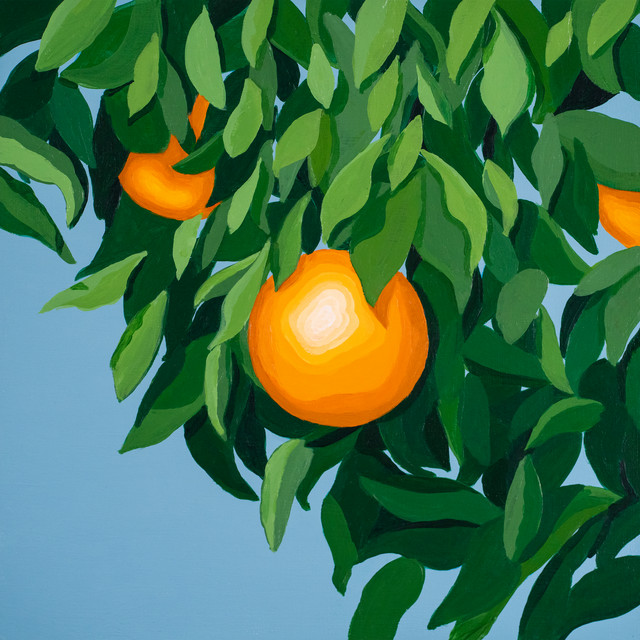
Album by Tyler Ballgame
Sometimes an album arrives that feels like it was beamed directly into your soul from another era.
For The First Time Again draws heavily from late-60s and early-70s rock, folk, soul, and pop traditions. Throughout the album I heard echoes of The Beatles, Bob Dylan, The Band, Laurel Canyon singer-songwriters, and even moments that reminded me of the Stax Records sound.
Beneath all the lush arrangements, vintage production touches, and gorgeous melodies is a collection of songs that seem preoccupied with loneliness, self-doubt, missed opportunities, heartbreak, and ultimately the difficult process of learning how to move forward.
The title track hooked me immediately. “For The First Time Again” blends folk, rock, and classic singer-songwriter traditions into something warm and inviting. The rawness in the vocal performance gives the song an emotional weight that elevates it beyond mere homage.
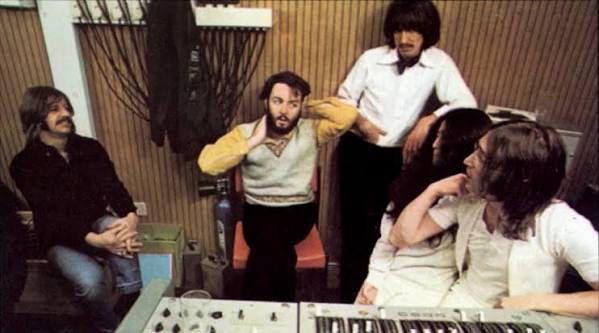
“I Believe In Love” follows with what sounds like a lost collaboration between Paul McCartney and George Harrison from the Get Back sessions. It’s uplifting, melodic, and expansive, while still carrying a sense of longing beneath the surface.
“You’re Not My Baby Tonight” strips away much of the rock influence and leans into country music. The combination of Nashville Skyline-era Dylan and The Band immediately came to mind. It’s a beautiful, understated performance.
“Matter of Taste” shifts again, embracing California rock, power pop, and even a touch of the Grateful Dead at their most accessible. It’s one of the album’s most immediately infectious songs.
One of the emotional high points arrives with “Sing How I Feel.” The song blends the sophistication of Burt Bacharach’s pop arrangements, Donovan’s eccentric folk sensibilities, and the communal spirit of The Band into something that feels both intimate and cinematic. It plays like the closing credits to a forgotten 1970s film and hit me harder with each listen.
“Goodbye My Love” takes things somewhere darker. The song feels caught between John Lennon’s vulnerability and Roy Orbison’s dramatic emotional sweep. It’s a stark, confessional piece that explores regret, isolation, and the pain of feelings left unspoken.
Fortunately, the album never stays in one place for too long. “Got A New Car” arrives like sunlight breaking through clouds. What initially sounds like a simple celebration gradually reveals itself as a song about reinvention. The car becomes a metaphor for becoming someone new, and the combination of indie-pop energy, synth textures, and classic songwriting makes it one of the album’s most rewarding surprises.
“Ooh” may be the album’s strangest track. Psychedelic soul, lo-fi indie rock, power pop, saxophone flourishes, dreamy textures, and surreal lyrics all collide in a way that somehow works. Every time I thought I understood where the song was heading, it changed direction.
Then comes “Down So Bad,” a song that somehow transforms depression into a burst of joyful energy. The driving guitars, energetic rhythm section, and sincere vocal performance create one of the album’s most exhilarating moments.
“I Know” brings the mood back down with a sparse and vulnerable piano-led arrangement. It’s one of the album’s most emotionally exposed moments, continuing themes of self-doubt, regret, and lost love.
“Deeper Blue” feels like the album’s turning point. It begins as a gentle, dreamlike acoustic song before gradually expanding into something larger and more hopeful. When Ballgame sings about wanting to love and wanting to break his fall, it feels like the album finally begins reaching toward the light. The sadness remains, but it no longer feels all-consuming.
Which brings us to “Waiting So Long.”
After an album spent wrestling with loneliness, heartbreak, and uncertainty, the closing track finally sounds unburdened. The music adopts a confident mid-70s rock stride that immediately brought John Lennon’s Walls and Bridges era to mind. The horns punch through. The piano rolls forward. The entire song feels like stepping out into the sunshine after a long winter.
What makes the ending so effective is that it doesn’t reject the darkness that came before it. Instead, it acknowledges it, learns from it, and moves beyond it.
The song plays like a love song to oneself. The old version of yourself is still there. The mistakes are still there. The sadness is still there. They’re part of you. But they’re no longer in control.
By the time the album ends, For The First Time Again feels less like a collection of retro-inspired songs and more like a story about learning how to live in full color again.
It’s warm, soulful, beautifully crafted, and one of my favorite albums of 2026 so far.
Verdict: Great
Explore more from Tyler Ballgame
 Everything (not really)
Leave a comment