Marvel in the 60s
-
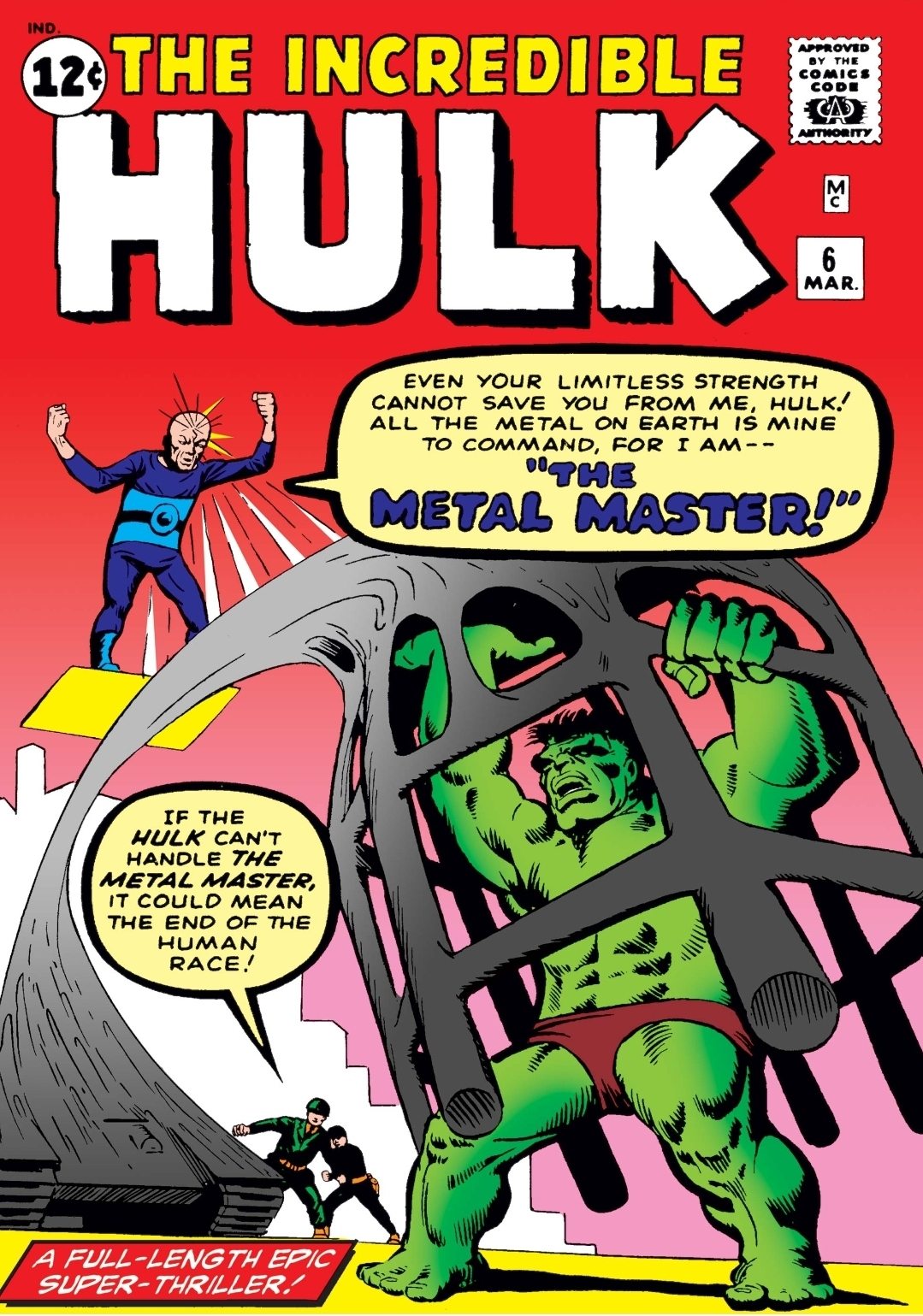
The Incredible Hulk #6 (March 1963)
View post: The Incredible Hulk #6 (March 1963)The final issue of the Hulk’s original run is a perfect snapshot of the series as a whole: changing powers, changing identities, disposable villains, and a character Marvel still hasn’t quite figured out.
-
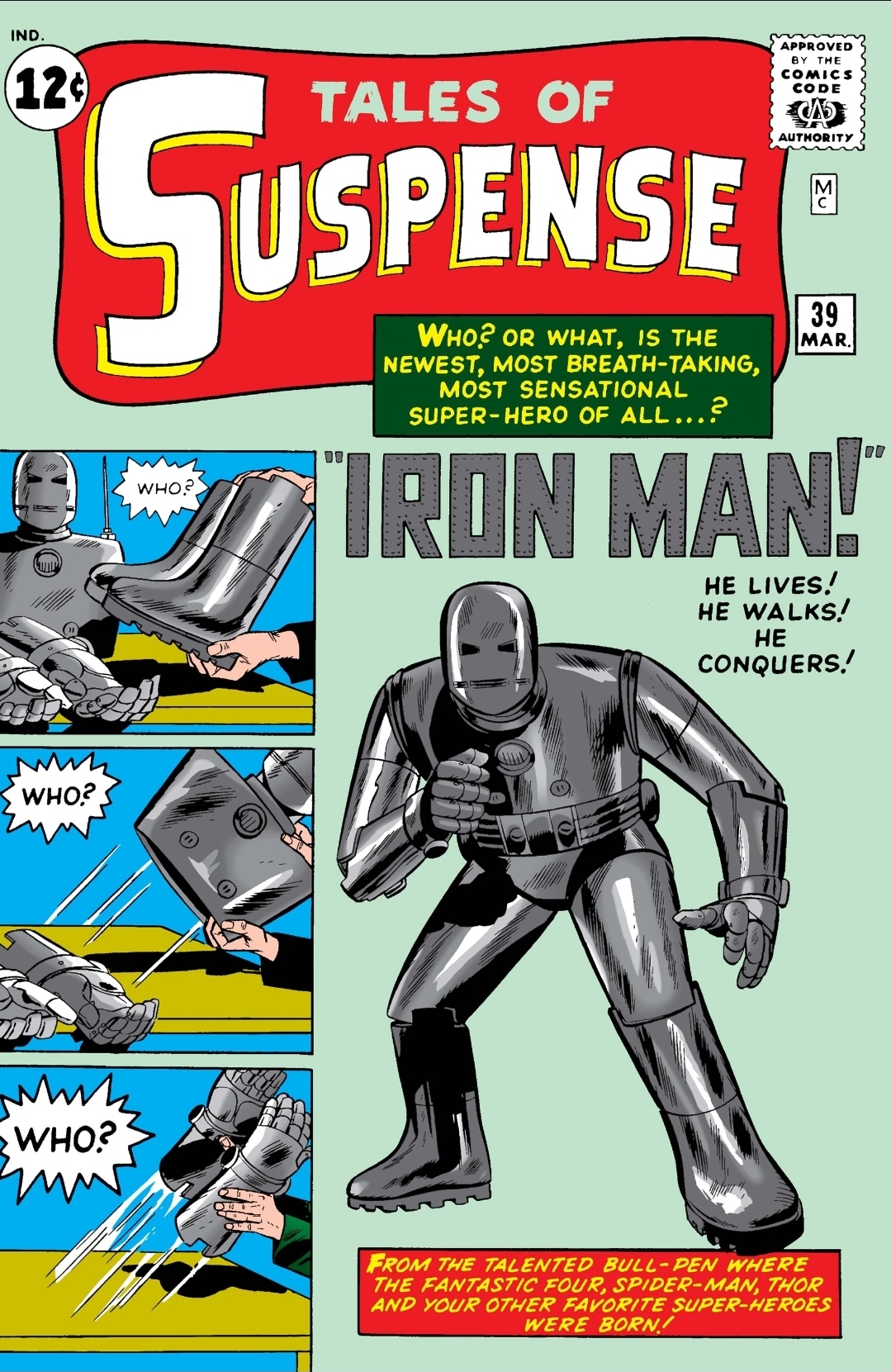
Tales of Suspense #39 (March 1963)
View post: Tales of Suspense #39 (March 1963)The debut of Iron Man marks a turning point for Marvel. For the first time, a superhero feels pulled directly from the headlines rather than mythology, monsters, or science fiction.
-

Fantastic Four #12 (March 1963)
View post: Fantastic Four #12 (March 1963)Fantastic Four #12 brings the Hulk and Fantastic Four together as Marvel’s separate superhero books increasingly begin to feel like one shared universe.
-

The Amazing Spider-Man #1 (March 1963)
View post: The Amazing Spider-Man #1 (March 1963)The Amazing Spider-Man #1 hits the ground running, introducing Peter Parker, J. Jonah Jameson, the Daily Bugle, and a formula that would define Marvel for decades.
-

Strange Tales #106 (March 1963)
View post: Strange Tales #106 (March 1963)The story may not be great, but Strange Tales #106 is one of the clearest signs yet that Marvel finally understands how to build a superhero comic.
-

Tales to Astonish #41 (March 1963)
View post: Tales to Astonish #41 (March 1963)An interdimensional alien warlord, an insect revolution, and a death ray shouldn’t work, but Don Heck’s arrival finally makes Ant-Man feel like a superhero.
-
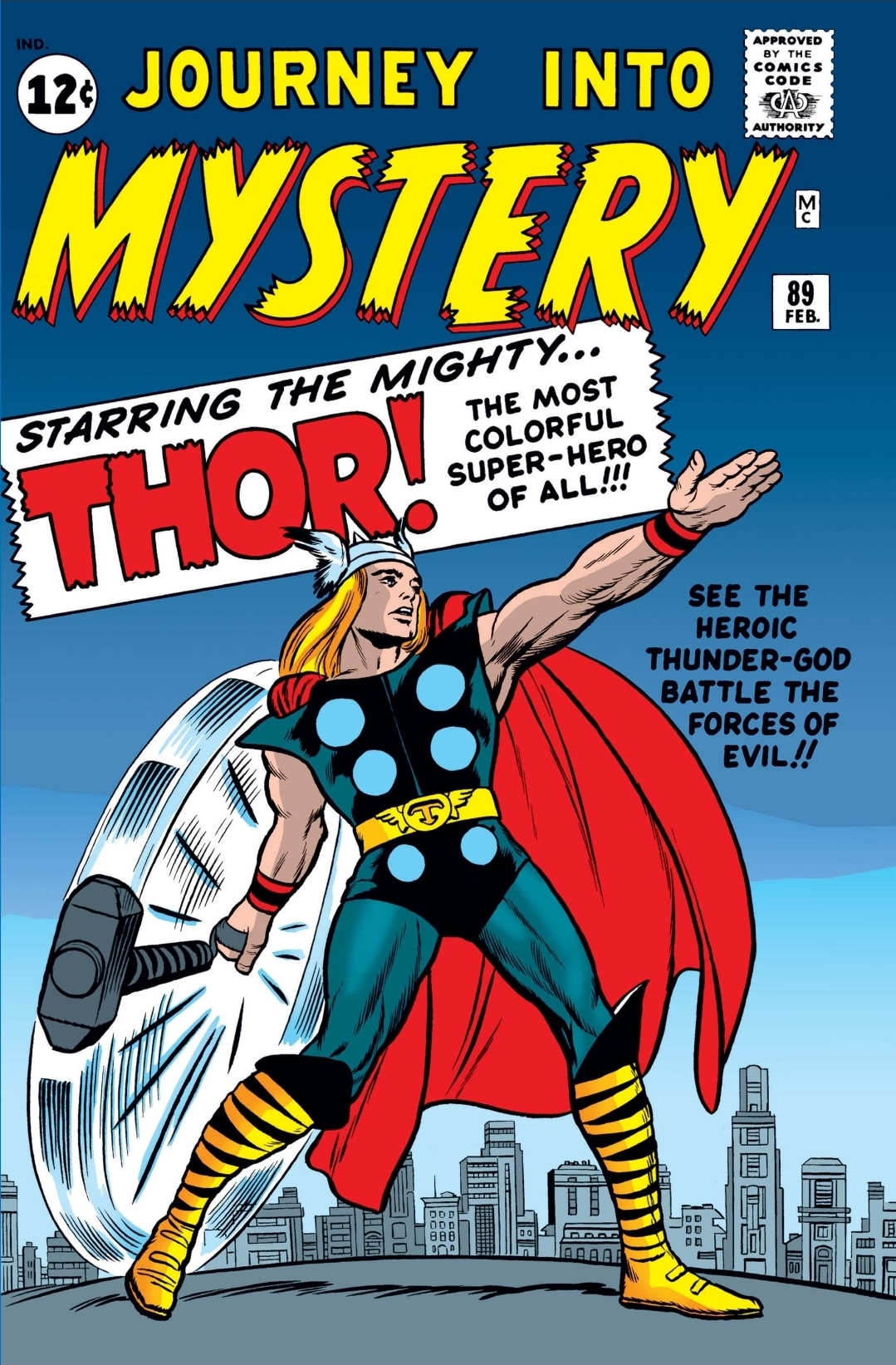
Journey Into Mystery #89 (February 1963)
View post: Journey Into Mystery #89 (February 1963)Journey Into Mystery #89 isn’t much of a Thor story—it’s a Donald Blake story, and a reminder that the mortal half of the character still matters.
-
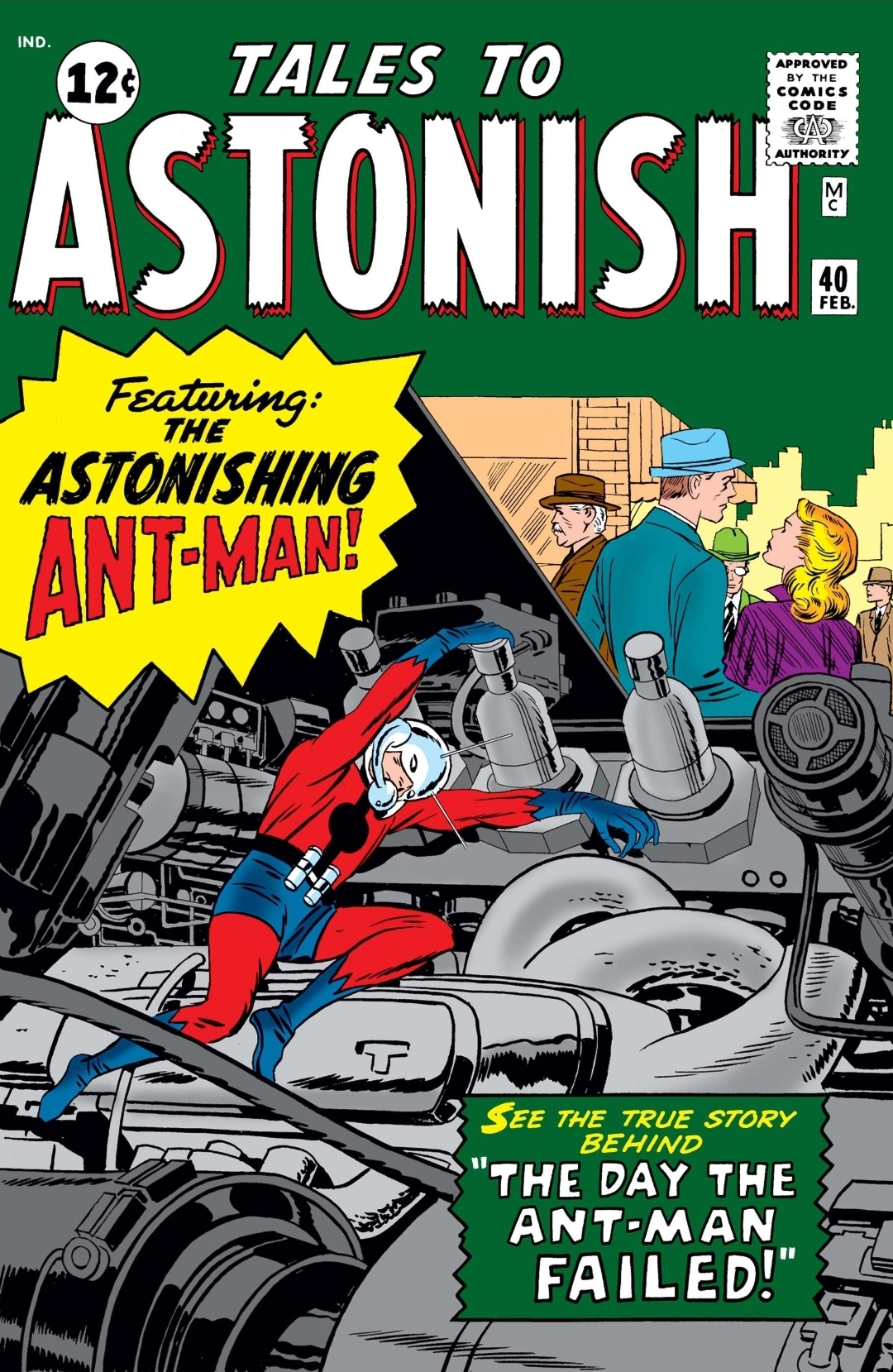
Tales to Astonish #40 (February 1963)
View post: Tales to Astonish #40 (February 1963)Hank Pym is every type of hero at once — scientist, inventor, detective, and superhero — a sign that Marvel’s ideas are beginning to outpace its roster.
-

Strange Tales #105 (Feb 1963)
View post: Strange Tales #105 (Feb 1963)The plot for Strange Tales #105 may not be especially compelling, but the direction it points Marvel toward absolutely is.
-

Fantastic Four #11 (Feb 1963)
View post: Fantastic Four #11 (Feb 1963)Fantastic Four #11 feels like a pause in the momentum — a recap issue filled with celebrity antics and the absurdity of the Impossible Man. But it also shows that the Fantastic Four is becoming Marvel’s entire personality.